
As on May 29, 2018 according to an internal memo, the the US administration is planning to order U.S. grid operators to purchase electricity or generating capacity from struggling coal and nuclear power plants in a bid to prevent them from closing, “necessary to stop the further premature retirements of fuel-secure generation capacity.”, on June 11, 2018 the EU Council will be further delibrating the review Directive on renewable energy and on energy efficiency. On June 4 a Council paper was issued with the latest state of triologue affairs.
On May 8, 2018 the EU Parliament voted in ships, cars and planes in the EU’s energy saving goals for 2030. However the latest EU presidency compromise proposal is opting for a weaker, indicative 31-33% target range, says Benedek Jávor, a Hungarian Green MEP. But the fresh negotiation mandate recently agreed by EU member states in the Council of Ministers has now opened the door for a compromise. The energy efficiency directive is part of a wider clean energy (Winter) package of legislation proposed by the European Commission in November 2016. The key article 7 in the directive specifies what sectors need to be included in the baseline for energy savings calculations (i.e.: transport, buildings). It also contains a flagship objective for countries to achieve 1.5% yearly energy savings in final energy consumption, and specifies measures to achieve them.
In its January vote, Parliament decided to add the transport sector in the baseline for energy saving calculations. “Even though transport is not included in the baseline today, member states can still use measures in the transport sector to achieve the savings requirement under Article 7 of the directive,” says the Bulgarian Presidency proposal. “A majority of member states currently do so, accounting for 6% of total notified savings,” the Presidency states, suggesting the overall savings targets would be easier to achieve with transport included in the baseline.The inclusion of transport would thus facilitate reaching a higher target, the argument goes. “All other things being equal, including 20% of transport energy consumption would, for example, increase the overall level of ambition of Article 7 by 10%,” the presidency says.
Bulgaria’s updated negotiating mandate for the May 17 trilogue on the Renewable Energy Directive, does not set a numerical target that the presidency should agree with the Parliament. Parliament wants a 35 percent 2030 renewable energy target binding at the EU level. Bulgaria previously asked countries to consider going beyond 30 percent, although a number of them are not ready to change the Council’s current position of 27 percent. The Council also changed language on proposals to open up renewable energy support schemes to generators in other countries. Countries want the measure to be voluntary, but the Parliament wants it to become compulsory.
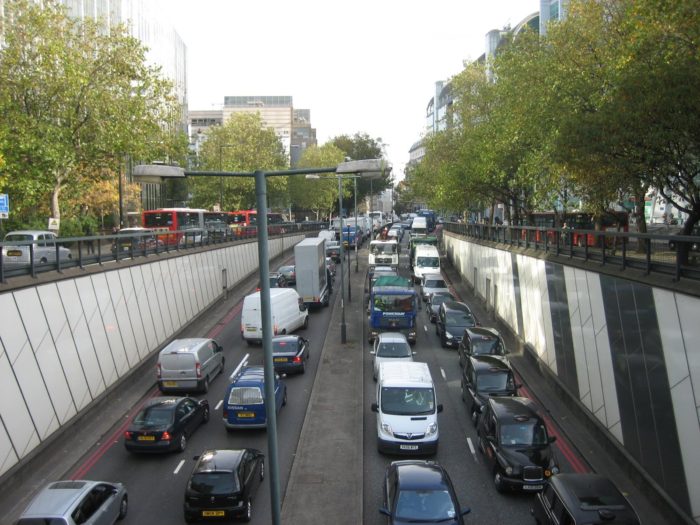
The EU Commission on May 17, 2018 has sent Germany, France and the U.K. to Europe’s highest court over failing to meet EU standards for nitrogen dioxide limits. The Commission also referred Italy, Hungary and Romania to the European Court of Justice over breaching particulate matter standards. The list leaves out Spain, Slovakia and the Czech Republic, which were among nine countries that faced court referral, but appear to have dodged the ECJ. The Commission supposedly also plans to further ongoing infringement cases against Germany, the U.K., Italy and Luxembourg seeking further clarification on levying penalties against carmakers.